

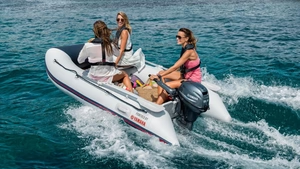
The Yamaha F9.9SMHB stands as a benchmark in the 9.9 HP portable outboard motor category. Combining a lightweight 87-lb frame with a punchy 212cc two-cylinder engine, it is designed for boaters who prioritize reliability and smooth handling on small tinnies, inflatables, and as kicker motors for larger vessels
1. Key Specifications & Performance
The F9.9SMHB is a 4-stroke, SOHC In-line 2-cylinder engine that delivers a highly responsive and smooth running performance.
| Feature | Specification |
|---|---|
| Horsepower | 9.9 HP @ 5500 RPM |
| Displacement | 212cc |
| Weight | 87 lbs (39 kg) |
| Shaft Length | 15 inches (Short Shaft) |
| Starting System | Manual (with Auto Decompression) |
| Fuel Induction | Carbureted with Acceleration Pump |
| Alternator Output | 6 Amp (Rectifier/Regulator required) |
2. Top Features for 2026 Boaters
- Smart Evolution Tiller Handle: Features a new shorter handle for increased comfort and more flexible storage, tucking in tighter to the cowl when hinged back.
- Easy Start Decompression: An auto-decompression device on the camshaft reduces cylinder pressure during pulling, making manual starts nearly effortless.
- Shallow Water Drive: A three-step system that keeps your propeller safe in estuaries, creeks, or when approaching the shore.
- Labyrinth Exhaust System: Seals the exhaust muffler with a water wall to reduce engine noise at low RPM, perfect for quiet trolling.
- Freshwater Flush Port: Allows you to flush salt and debris using a standard garden hose without even starting the engine.
3. Ranking the Yamaha F9.9SMHB Against Competitors
How does the Yamaha F9.9SMHB stack up against other industry leaders?
- Yamaha F9.9SMHB (Score: 9.6/10): The gold standard for reliability and noise reduction. While it is a carbureted model, its acceleration pump provides fuel precisely when needed for “holeshot” power.
- Mercury 9.9 HP ProKicker (Score: 9.3/10): Known for its heavy-duty gearcase and high-thrust propeller, often preferred for larger fishing boats needing a kicker.
- Suzuki DF9.9B EFI (Score: 9.1/10): Features Electronic Fuel Injection (EFI) and “Lean Burn” technology, though it is often heavier than the Yamaha.
- Tohatsu MFS9.9 (Score: 8.8/10): A lighter, often more affordable alternative, though it lacks some of the refined ergonomic features found in Yamaha’s tiller handle.
4. Pros & Cons
Pros:
- Exceptional Portability: Built-in front and rear carry handles and resting pads for stable storage.
- Whisper Quiet: Recognized as one of the quietest 4-strokes in its class.
- Resale Value: Yamaha outboards typically hold higher resale value due to their reputation for 20+ year longevity
Cons:
- Carbureted vs. EFI: Some competitors offer EFI, which can be more reliable at high altitudes or after long storage periods.
- Weight: At 87 lbs, it is light for a 4-stroke but still a significant lift for a single person compared to smaller 2-stroke legacy models.
5. Maintenance Tips for Longevity
To ensure your Yamaha lasts decades, follow these factory-recommended steps:
- Flush After Saltwater: Use the freshwater flush port after every use.
- Drain the Carburetor: If storing for more than 2 weeks, run the engine out of gas or use the drain screw to prevent gumming.
- Oil Changes: Change engine oil every 100 hours or annually. The F9.9SMHB does not have an external oil filter, only a fill and dipstick
Conclusion: Why the Yamaha F9.9SMHB Reigns Supreme
In the world of portable power, the Yamaha F9.9SMHB strikes the perfect balance between raw muscle and refined engineering. Whether you are navigating shallow marshes, powering a small tender, or utilizing it as a precision kicker for a larger fishing rig, its 212cc engine offers a level of quiet reliability that competitors struggle to match. With its signature ease of starting and high resale value, this 9.9 HP outboard remains the gold standard for boaters who demand “get-home” peace of mind and fuel-efficient performance.
A Special Note of Thanks
This comprehensive guide was made possible through a collaborative effort. We would like to extend a sincere thank you to Yamaha for their decades of commitment to marine innovation and for setting the bar high with the F9.9 series.
We also want to recognize Engines & Transmission TAN for their technical expertise and contributions to this article. Their deep industry knowledge has been instrumental in making this a truly educative resource for Yamaha enthusiasts and boaters worldwide. Together, we aim to ensure that every Yamaha outboard lover has the insights needed to keep their engines running smooth for years to come.