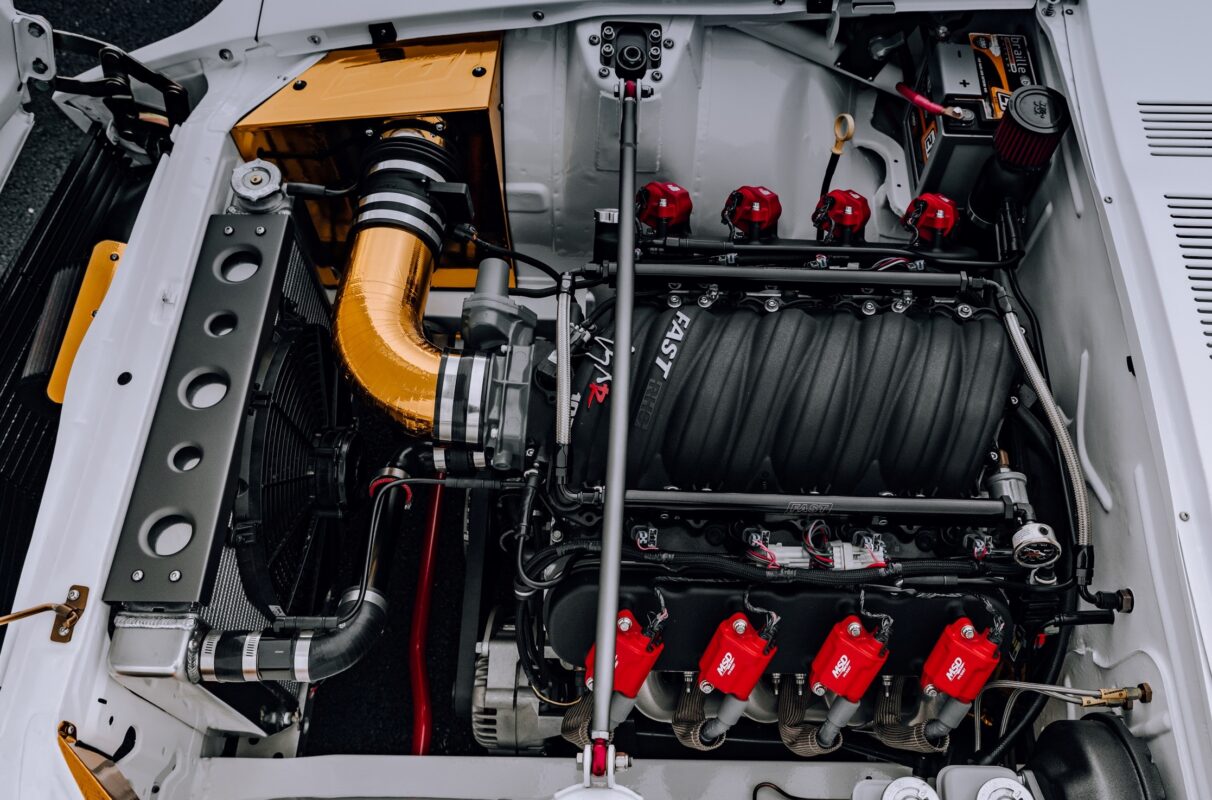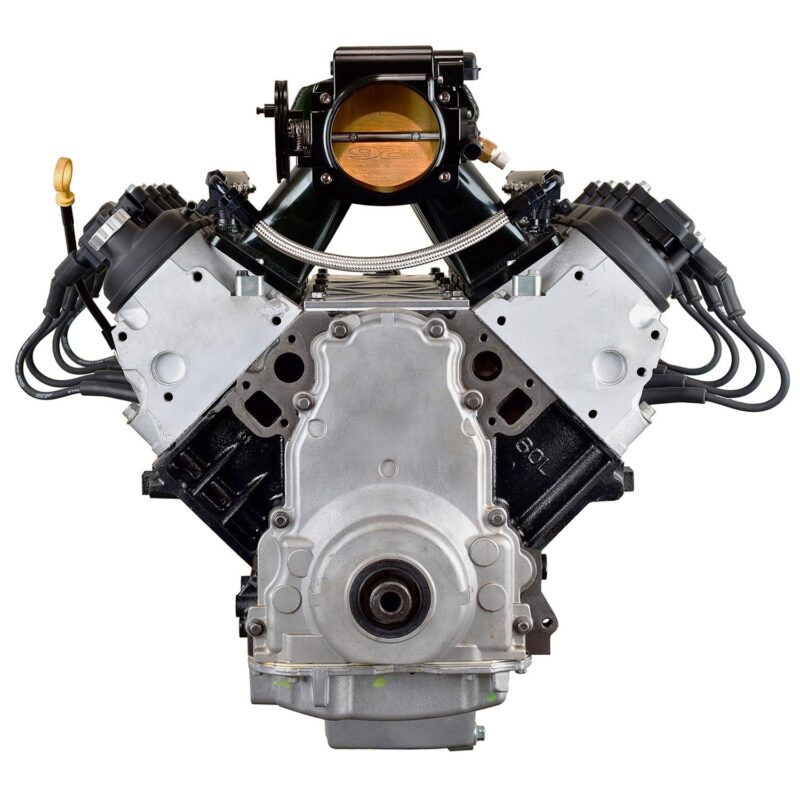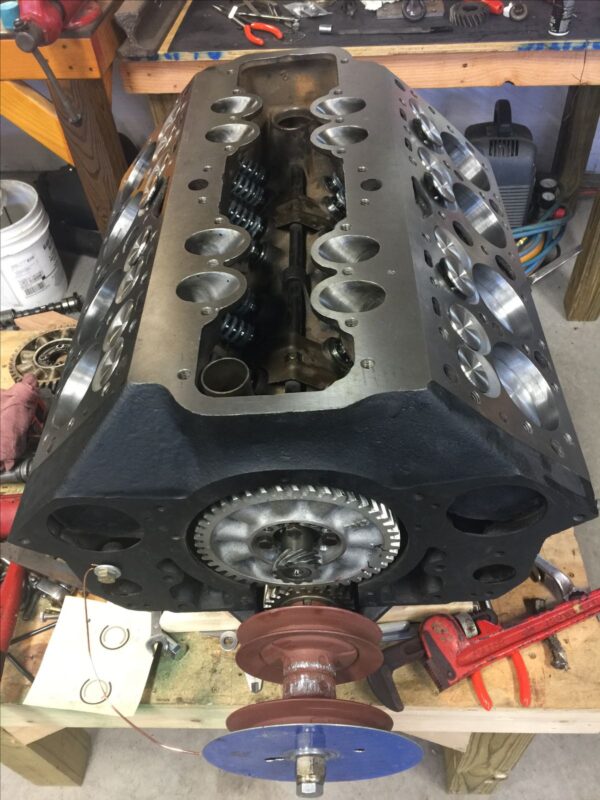

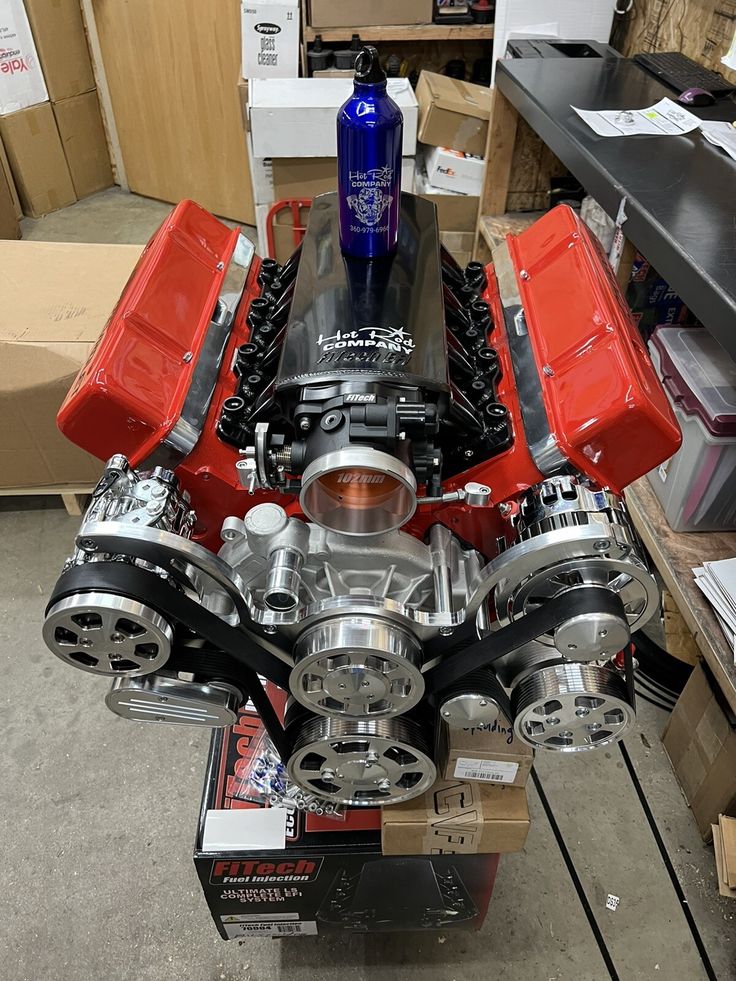
The Chevrolet 5.7 engine, most famously known as the 350 cubic-inch V8, is perhaps the most iconic powerplant in American automotive history. Since its debut in the 1967 Camaro, this “Small Block” has powered everything from workhorse trucks to championship-winning Corvettes.
Below is a detailed technical guide to the Chevrolet 5.7 engine, covering its evolution, performance specs, and the common issues that owners should look out for.
1. The Evolution of the Chevrolet 5.7 Engine
While there have been many 5.7L variants, they generally fall into three distinct generations:
Generation I: The Classic 350 (1967–2003)
This is the “standard” 350. It features a cast-iron block and is beloved for its simplicity.
-
Vortec (L31): The pinnacle of Gen I was the 1996–2002 Vortec 5.7L. It introduced high-flow cylinder heads that are still considered the gold standard for budget-friendly performance today.
Generation II: The LT1 (1992–1997)
Found in the C4 Corvette and F-Body Camaros, the Gen II 5.7L introduced reverse-flow cooling. This allowed the heads to cool before the block, enabling higher compression ratios for more power.
Generation III: The LS1 (1997–2005)
The LS1 changed the game. Moving to an all-aluminum design, the Chevrolet 5.7 engine became lighter and much more efficient. The LS1’s deep-skirt block and 6-bolt main caps made it incredibly strong, forming the foundation for the modern LS-swap craze.
2. Technical Specifications
Whether you are restoring a classic or maintaining a daily driver, these are the baseline figures for a typical late-model Chevrolet 5.7 engine (Vortec/LS1):
| Feature | Gen I Vortec (L31) | Gen III LS1 |
| Displacement | 5.7L (350 cu in) | 5.7L (346 cu in) |
| Block Material | Cast Iron | Aluminum |
| Horsepower | 255 hp | 305–350 hp |
| Torque | 330 lb-ft | 350–375 lb-ft |
| Firing Order | 1-8-4-3-6-5-7-2 | 1-8-7-2-6-5-4-3 |
3. Performance Upgrades
The Chevrolet 5.7 engine has arguably the largest aftermarket support in the world. Common upgrades include:
-
Cylinder Heads: Upgrading to aluminum heads (like AFR or Dart) can instantly add 50+ horsepower.
-
Camshafts: A “mild” street cam can improve torque for towing, while “hot” cams provide that classic V8 lope and high-RPM power.
-
Intake Manifolds: Replacing a stock TBI or truck intake with a dual-plane performance manifold improves airflow significantly.
4. Common Issues to Watch For
Despite its legendary reliability, the Chevrolet 5.7 engine has a few known “quirks”:
-
Opti-Spark (Gen II LT1): The front-mounted distributor is notorious for failing if it gets wet (e.g., from a leaking water pump).
-
Intake Manifold Gaskets (Gen I Vortec): Plastic gaskets often fail, leading to internal coolant leaks. Replacing these with metal-carrier gaskets is a must.
-
Fuel Spider Injectors (Vortec): The early “poppet-style” injectors often clog; most owners upgrade to the MPFI (Multi-Port Fuel Injection) conversion kit.
-
Piston Slap (LS1): Many LS1 engines have a “ticking” sound when cold. While annoying, it is usually harmless and disappears once the engine warms up.
Why Choose a 5.7L?
The Chevrolet 5.7 engine remains the go-to choice because it balances affordability and durability. Whether you’re pulling a trailer or hitting the drag strip, the “350” provides a reliable platform that is easy to fix and even easier to make fast.
For more specific parts and maintenance guides, you can check out the resources on our site to keep your small block running at peak performance.
Would you like me to create a specific maintenance schedule or a parts list for a performance build on this engine? let us help at Engine & transmission Tan nl
Overview
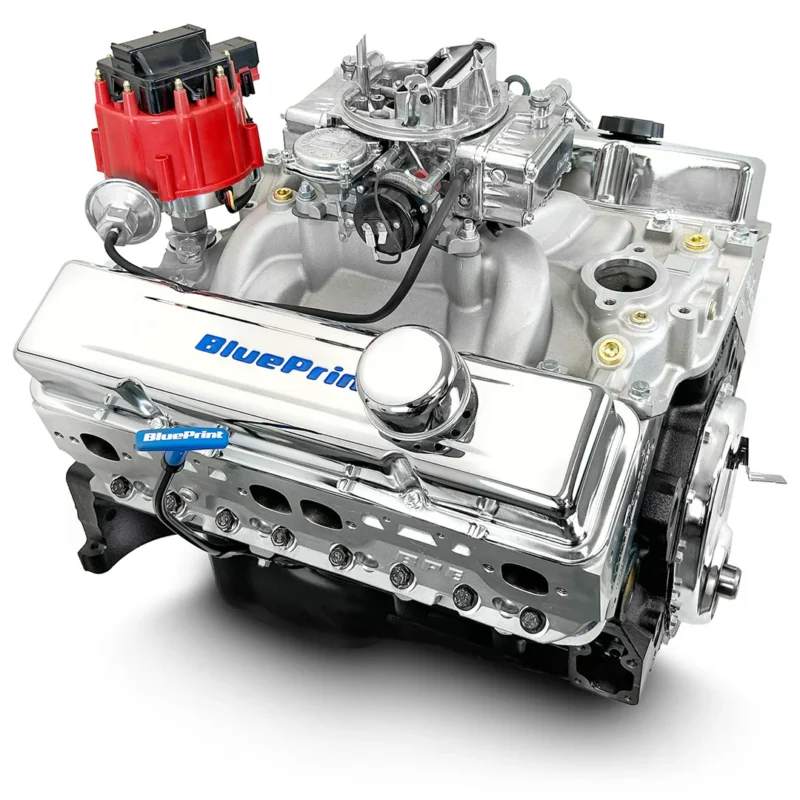
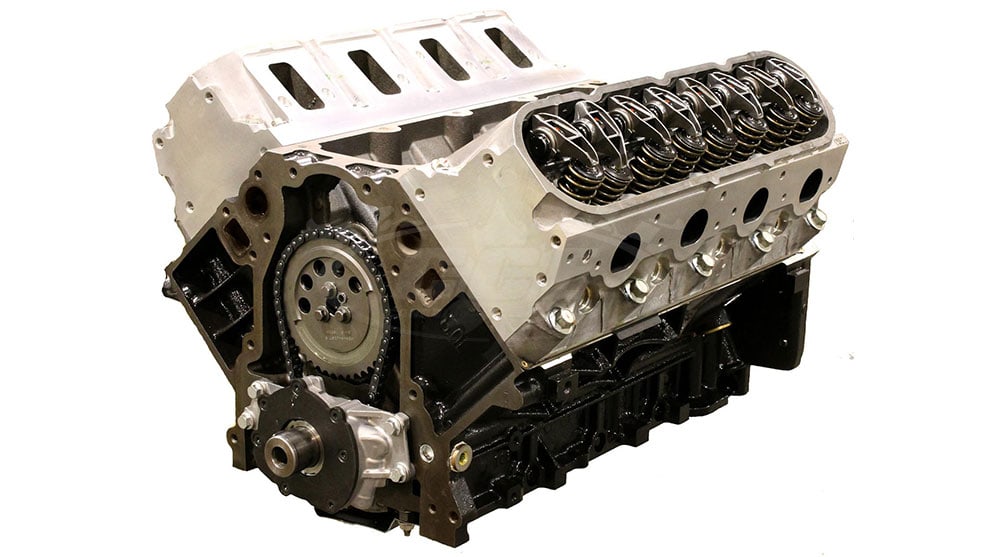
Chevrolet Performance 5.7L 350 C.I.D L05 Gen I 210 HP Truck Crate Engines
Chevrolet Performance 5.7L 350 C.I.D L05 Gen I 210 HP truck crate engines deliver performance and value. These long blocks start with a precisely CNC-machined 4-bolt main block, graphite coated hypereutectic pistons, and a flat-tappet hydraulic camshaft. Then they’re topped with cast iron cylinder heads designed to be extremely durable while still providing good airflow through the engine. All Chevrolet Performance 350 L05 crate engines comply with an 18-step quality process, then get torque-to-turn, compression, and oil pressure-tested at the end of the line.
More product features, items, and specs include:
* Roller camshaft ready
* Mechanical fuel pump capable
* Cylinders honed on a computer-controlled machine
* Forged steel crankshaft
* One-piece rear seal
* Powdered metal connecting rods
* Silent link-type timing chain
* New valve covers, oil pan, timing cover, and harmonic balancer for fewer labor hours at your installer
* 210 hp at 4,000 rpm
* 300 lbs.-ft. torque at 2,800 rpm
* 9.4 to 1 compression ratio
* Camshaft with 165/174 duration at 0.050, 0.382 In./0.402 ex. lift
* 1.94 in. intake/1.50 in. exhaust valves
* Center bolt cylinder heads (65.3cc chambers)